

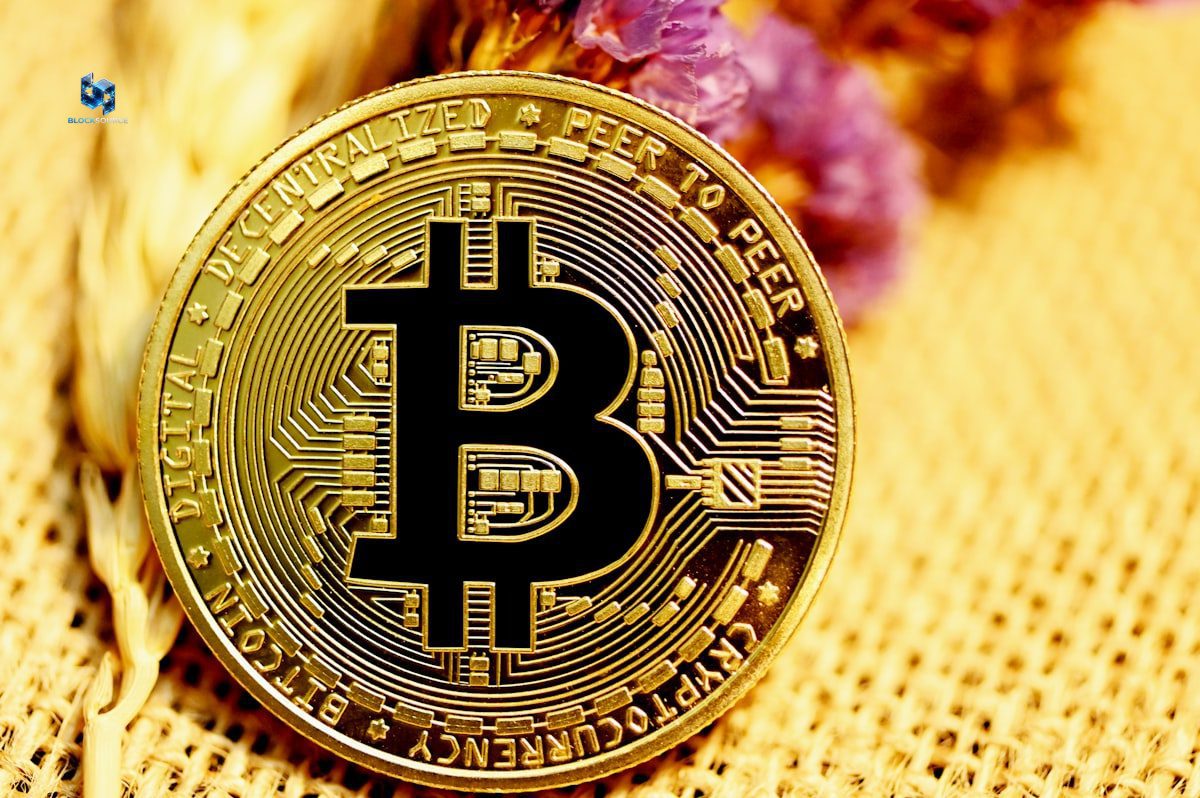
A prominent Bitcoin holder who last moved funds in 2013 has broken more than a decade of inactivity, transferring approximately $40 million worth of BTC across multiple transactions. The sudden movement of such substantial holdings from a historical whale account has reignited discussion about legacy Bitcoin investors and their potential market intentions as institutional adoption frameworks continue to mature.
An early Bitcoin adopter widely tracked by the cryptocurrency community has emerged from dormancy, initiating significant transfers of digital assets after remaining inactive since the cryptocurrency's nascent era. The whale, identified through on-chain analysis platforms that monitor large Bitcoin movements, transferred approximately $40 million in BTC across several transactions, marking the first notable activity from the address in over thirteen years. The timing of this movement has captured the attention of market analysts and researchers studying historical Bitcoin holder behavior, particularly as the broader digital asset ecosystem undergoes fundamental structural changes in how institutional participants engage with cryptocurrency infrastructure.
The account in question accumulated its Bitcoin holdings during the earliest phases of the network's existence, when mining difficulty remained minimal and acquisition costs were negligible by contemporary standards. These dormant addresses represent some of the most valuable holdings in cryptocurrency markets, often referred to as "lost coins" or "hodled Bitcoin" given the extended periods without movement. The particular wallet that moved $40 million this week holds substantially larger reserves than the amount transferred, suggesting the whale may be conducting either partial liquidations or strategic reallocation of positions. Historical analysis indicates that such early adopters accumulated their holdings through a combination of direct mining operations and early peer-to-peer purchases during Bitcoin's first few years of operation.
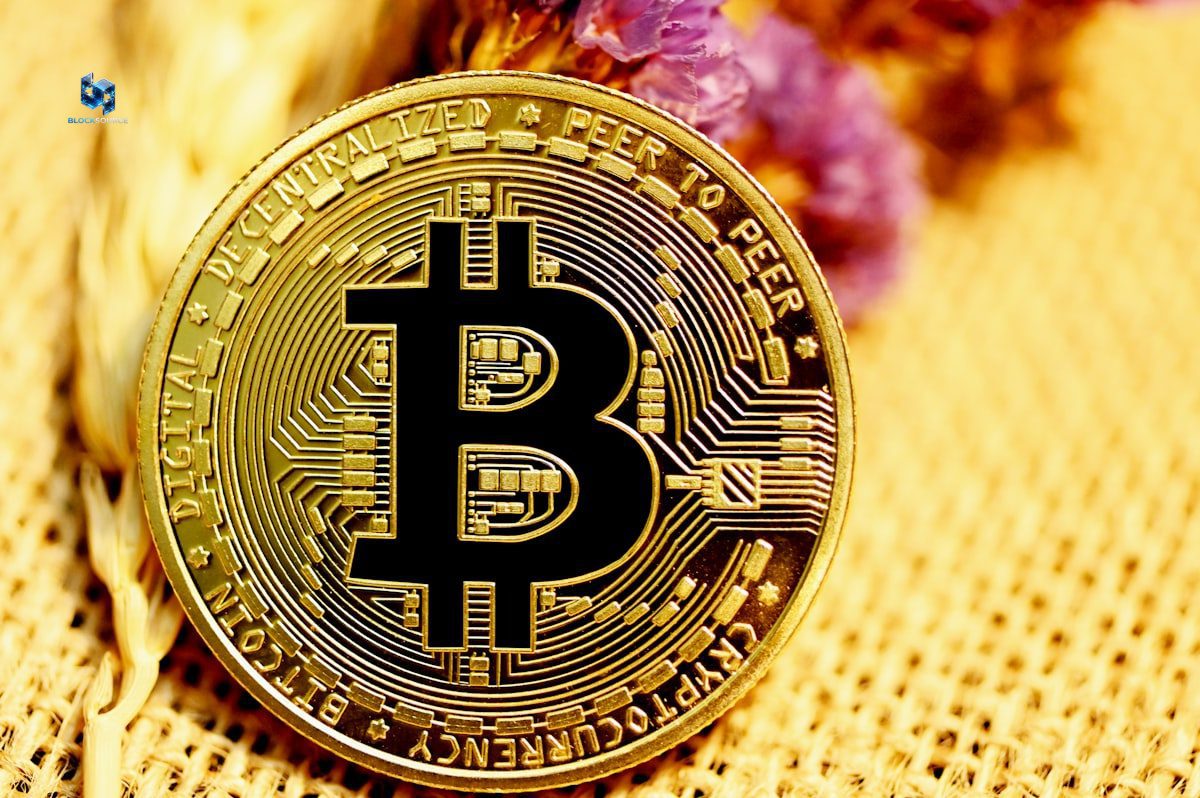
From a market mechanics perspective, the emergence of such substantial selling pressure from long-dormant wallets typically influences sentiment among traders and investors who monitor whale activity as a barometer for market direction. When addresses holding millions of dollars in Bitcoin remain silent for extended periods and suddenly activate, it can signal potential shifts in holder conviction or urgency around liquidity needs. However, analysts have cautioned against over-interpreting single transactions from historical holders, as the motivations behind such movements remain speculative. The current market environment, which has seen increasing institutional adoption and regulatory clarity in major jurisdictions, may simply provide a more favorable context for legacy holders to reposition their portfolios compared to the turbulent regulatory landscape of previous market cycles.
Market Implications
Industry observers studying on-chain behavior patterns suggest that whale activity of this magnitude warrants careful contextualization within broader market trends. According to emerging research on institutional adoption patterns, large Bitcoin transfers during periods of market strength often reflect profit-taking rather than capitulation selling, which would typically occur during pronounced downturns. The sophistication now available to large holders through custody solutions, derivatives markets, and regulatory frameworks means that movement of coins need not indicate immediate spot market liquidation. As cryptocurrency infrastructure continues advancing, with developments like wallet architecture redesigns to support institutional operations, long-dormant holders may find increasingly sophisticated mechanisms for deploying their capital.
The broader implications of historical whale reactivation extend beyond immediate price considerations toward questions about Bitcoin's long-term holder distribution and market maturation. When early adopters begin moving substantial positions after years of inactivity, it suggests confidence in the asset's institutional standing and utility has evolved sufficiently to warrant active portfolio management. This contrasts with previous market cycles when whale movements often preceded significant volatility episodes. The current era of advancing regulatory frameworks, with initiatives like Senate efforts to establish comprehensive regulatory clarity, may be creating conditions where long-term holders feel greater confidence in managing their positions through conventional financial infrastructure.
What to Watch
Looking forward, market participants should monitor whether this particular reactivation represents an isolated transaction or the beginning of sustained activity from the address. Traders following whale movements typically establish alerts for follow-up transfers that might indicate a clear liquidation strategy versus one-time repositioning. The broader cohort of dormant early Bitcoin holders remains substantial in aggregate holdings, and any systemic trend toward reactivation could influence medium-term supply dynamics, particularly if multiple historical whales initiate coordinated movements. Additionally, ongoing regulatory developments and institutional custody innovations may continue encouraging long-dormant holders to participate more actively in contemporary cryptocurrency markets.
Key Takeaways
- A Bitcoin whale account inactive since 2013 transferred approximately $40 million in BTC, breaking over thirteen years of dormancy and sparking renewed interest in early adopter portfolio movements and potential market intentions.
- The timing of this reactivation coincides with improved regulatory clarity and institutional adoption frameworks, suggesting long-term holders may now feel greater confidence managing their positions through mature market infrastructure.
- Analysts caution against over-interpreting single whale transactions as capitulation signals, noting that substantial transfers during periods of market strength often reflect strategic repositioning rather than urgent liquidation needs.