

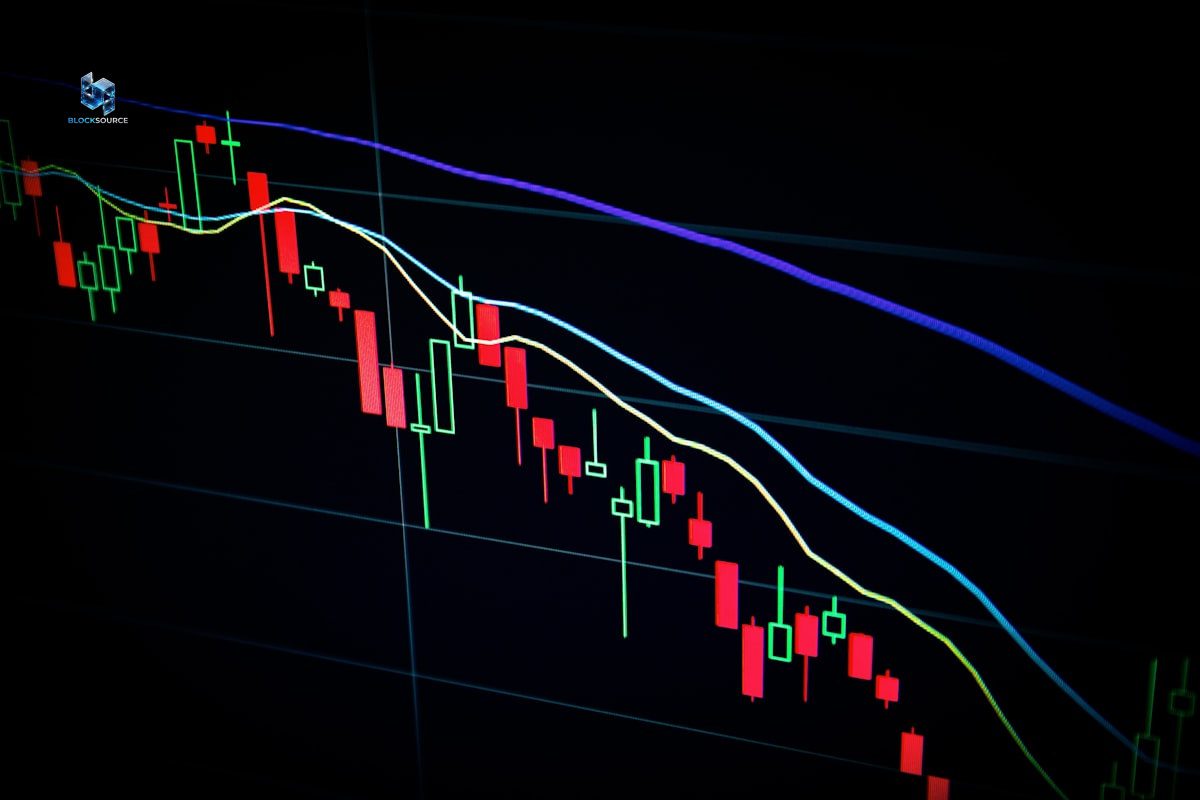
Recent escalations in Middle Eastern tensions have exposed cryptocurrency markets' unprecedented ability to price in geopolitical risk instantaneously, contrasting sharply with traditional financial markets that operate on fixed schedules. The incident underscores how digital assets have evolved into a sophisticated, always-on market mechanism that responds to global events without institutional gatekeepers or trading halts.
The cryptocurrency market's reaction to Iran-related geopolitical tensions has illuminated a fundamental structural advantage that digital asset markets possess over their traditional counterparts: the absence of a closing bell. When geopolitical risk spiked in May 2026, Bitcoin and major altcoins immediately repriced themselves to reflect new information, occurring at hours when equity exchanges, bond markets, and commodity futures remained shuttered. This 24/7 price discovery mechanism has transformed cryptocurrency from a niche speculative asset into a legitimate real-time barometer of global risk sentiment.
The significance of this development cannot be overstated in the context of institutional adoption. For decades, traditional finance has relied on opening bells and closing times as natural breaks for information processing and risk reassessment. When major geopolitical events occur outside trading hours—a reality that describes most of the world's population—investors must wait until market open to execute strategies. Cryptocurrency eliminates this friction entirely. Market participants in Tokyo, London, New York, and Sydney can simultaneously adjust positions without coordination delays or information asymmetries. This efficiency has made digital assets increasingly attractive to sophisticated investors who recognize that permanent market access represents a competitive advantage in an interconnected global system.
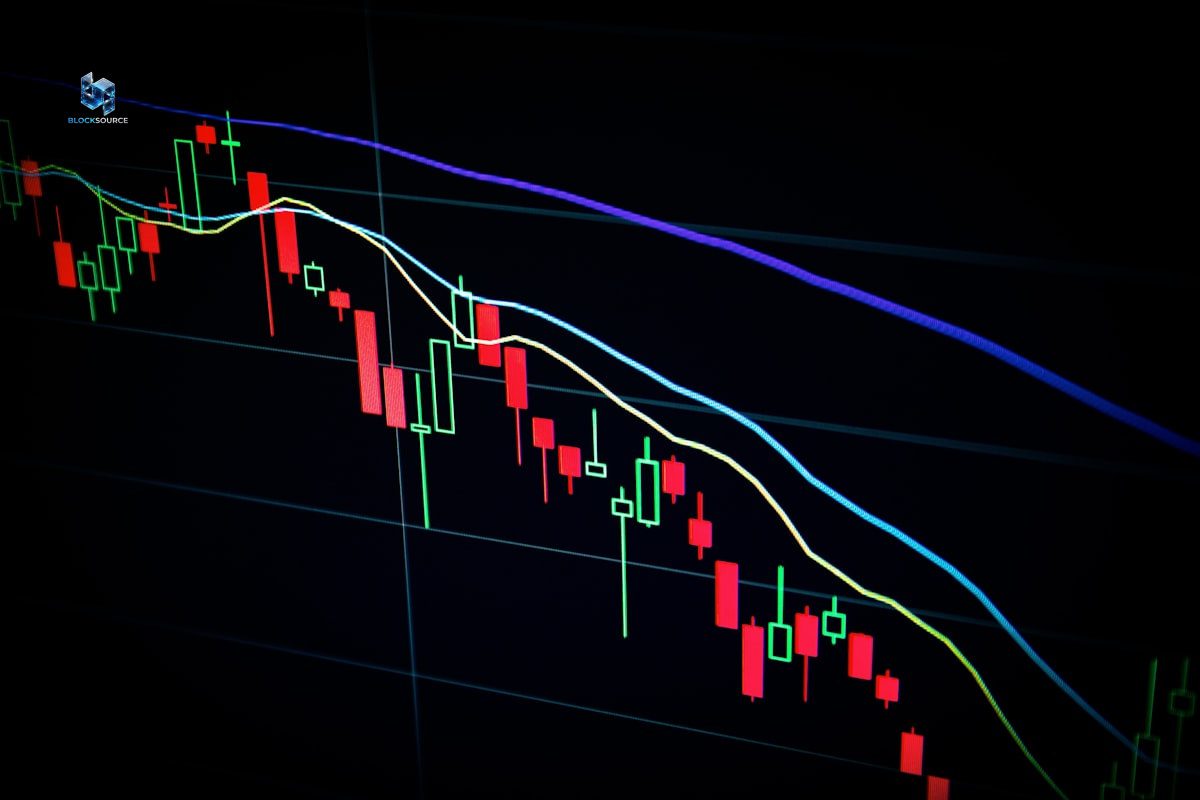
The price action during the geopolitical episode demonstrated the maturation of cryptocurrency market structure. Rather than experiencing chaotic, panic-driven moves characteristic of less liquid markets, digital assets exhibited the kind of volatility patterns typically associated with highly professional, institutionally-dominated markets. This behavior suggests that major participants have already integrated cryptocurrency into their broader portfolio management frameworks. The speed and efficiency with which risk repositioning occurred indicates that regulatory clarity and institutional participation are advancing market quality, even as geopolitical uncertainty persists.
Market Implications
Industry analysts and market observers have characterized this development as reflecting broader structural shifts in how global capital allocation functions. "We're witnessing the emergence of a parallel financial system that operates according to different rules," noted several prominent cryptocurrency strategists in subsequent market commentary. Rather than viewing this as disruptive, many institutional investors increasingly see 24/7 markets as essential infrastructure for navigating an unpredictable geopolitical environment. The ability to immediately adjust exposure to risk assets without waiting for traditional market opens has become not merely convenient but strategically necessary for portfolio managers managing billion-dollar allocations.
The implications extend beyond individual investment decisions to encompass broader questions about how global financial markets will function in the coming decades. Institutional pivots toward digital asset infrastructure, exemplified by major economies like Saudi Arabia implementing comprehensive tokenization strategies, suggest that cryptocurrency's structural advantages—particularly permanent market access—will increasingly attract capital from traditional finance. As geopolitical volatility remains endemic to the contemporary era, the premium placed on markets that never close and never halt trading will likely continue expanding.
What to Watch
Looking forward, investors should monitor whether this geopolitical-driven recognition of cryptocurrency's structural superiority translates into sustained capital flows into the sector. The timing matters significantly, as Silicon Valley's IPO wave threatens crypto capital flows as tech giants eye public markets, creating competitive pressure for digital asset allocation. The key test will be whether traditional institutional investors, having experienced cryptocurrency's advantages during crisis periods, maintain meaningful positions during calmer markets or retreat to familiar asset classes once geopolitical uncertainty subsides. The answer to this question will largely determine whether the Iran tensions episode represents a temporary realization or the beginning of a permanent structural shift in global capital allocation patterns.
Key Takeaways
- Cryptocurrency markets' 24/7 operational capability enabled immediate price discovery during geopolitical tensions, while traditional financial markets remained closed, demonstrating a significant structural advantage over conventional finance.
- The sophisticated, professionally-executed market response to geopolitical risk indicates that institutional participation in digital assets has matured to levels where cryptocurrency behaves like established, liquid markets rather than speculative venues.
- Ongoing geopolitical volatility combined with institutional recognition of permanent market access as a strategic necessity will likely continue driving capital flows toward cryptocurrency infrastructure and digital asset platforms.