

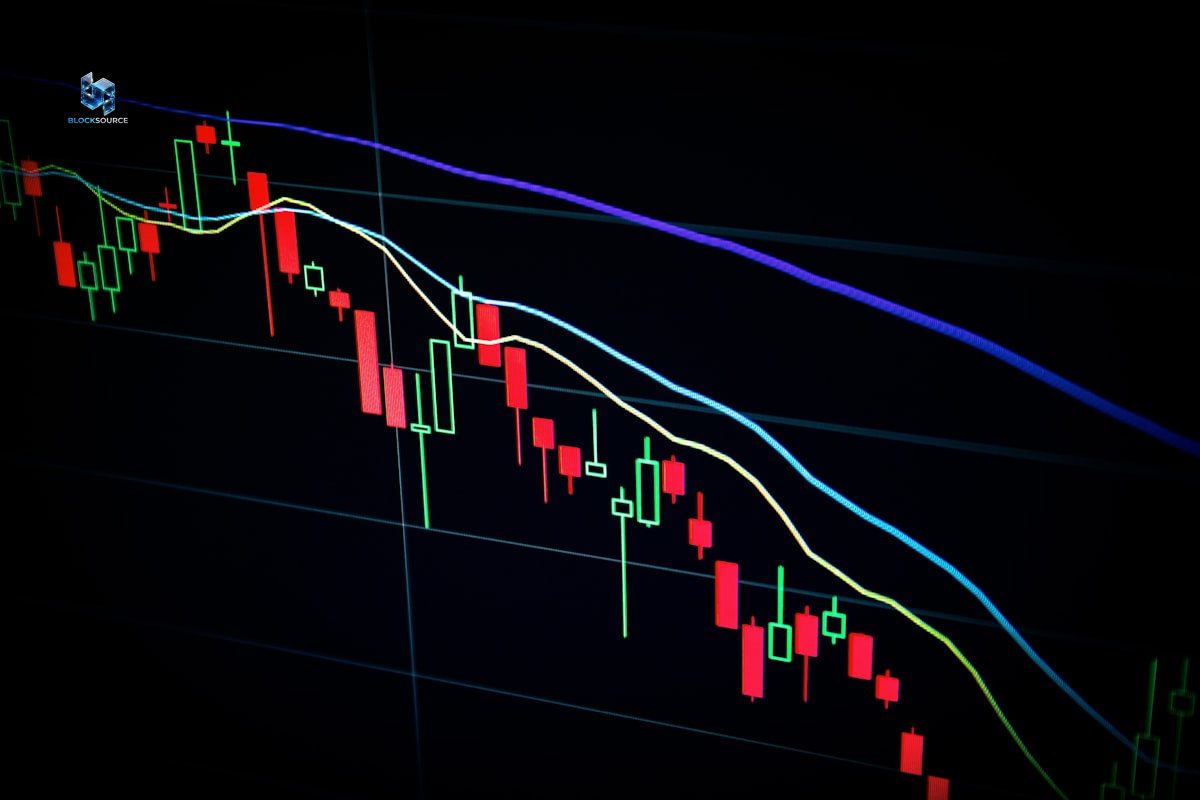
Major regulatory approval for continuous 24/7 stock trading represents a fundamental shift in market structure that promises to eliminate traditional after-hours price gaps and volatility. The development particularly benefits active traders and institutional players while raising important questions about market surveillance and liquidity dynamics in an always-on trading environment.
The financial markets are entering an unprecedented era of continuous trading as regulators greenlight extended hours for equity markets, effectively ending the traditional separation between standard market sessions and after-hours trading. This structural transformation addresses a longstanding inefficiency that has frustrated traders for decades: the price discrepancies that emerge during the fragmented trading day. By establishing genuine 24/7 liquidity, market participants now gain access to continuous price discovery mechanisms that previous generations of investors could only imagine.
The impetus for this change stems from mounting evidence that after-hours trading sessions have become breeding grounds for significant price manipulation and information asymmetries. During traditional after-hours periods, typically between 4 p.m. and 8 p.m. Eastern Time, trading volume drops precipitously, creating conditions where relatively modest order flows can trigger outsized price movements. Retail investors, predominantly locked out of these sessions or participating through limited channels, have found themselves vulnerable to price gaps that emerge overnight. Institutional traders and hedge funds, equipped with sophisticated technology and direct market access, have exploited these gaps for years. The new framework promises to democratize price discovery by maintaining consistent liquidity throughout all hours.
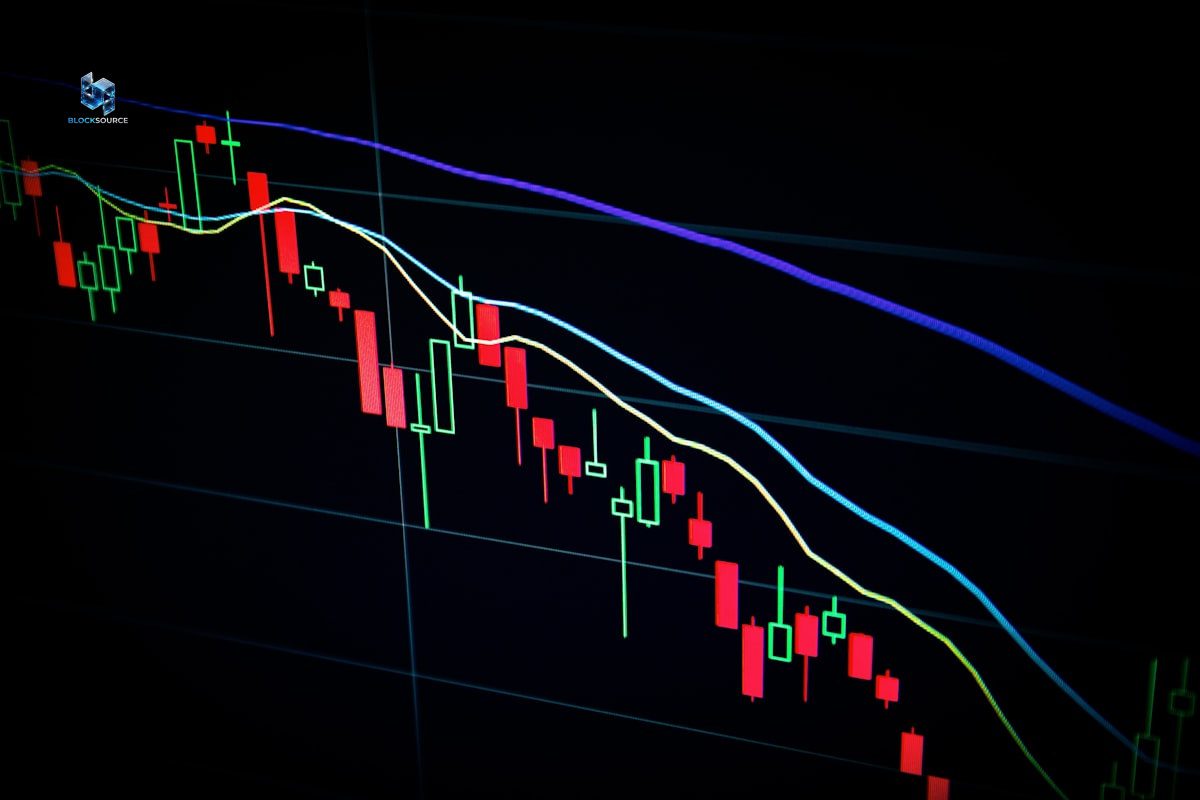
Market analysts suggest the implications for trading dynamics could be substantial. With continuous trading now available, the traditional "gap up" or "gap down" opening that has characterized equity markets since their inception becomes far less probable. Historical data indicates that after-hours movements frequently reverse or exacerbate during regular trading hours, creating both opportunities and risks for unprepared investors. By extending consistent trading hours, market volatility during traditional open and close periods should theoretically moderate as price adjustments occur gradually rather than in sudden jumps. Early projections from trading analytics firms suggest that bid-ask spreads may compress during previously fragmented sessions, reducing transaction costs for all market participants.
Market Implications
Industry veterans and market structure specialists view this development through a lens of cautious optimism. According to reports from leading financial institutions, the transition eliminates a critical market inefficiency that has persisted since equity markets adopted limited trading hours in the 19th century. One significant consideration voiced by analysts concerns the operational demands on brokerages, clearinghouses, and regulatory bodies to maintain surveillance and market integrity across expanded hours. The continuous trading model requires sophisticated monitoring systems that can detect unusual patterns and potential manipulation across all time zones simultaneously. Additionally, some experts caution that while retail traders gain theoretical access, the practical advantages may still accrue to institutional players with superior technology and real-time data access.
The broader implications for cryptocurrency markets and digital asset trading deserve particular attention. Bitcoin and other cryptocurrencies have operated on a 24/7 basis since inception, creating a template that traditional equity markets have steadily approached. The convergence of stock market trading hours with crypto's always-on nature potentially validates the cryptocurrency market structure while creating new arbitrage opportunities between traditional equities and digital assets. As equity markets adopt continuous trading, the technological and regulatory frameworks supporting around-the-clock operations will inevitably influence how traditional finance and cryptocurrency markets continue to integrate and interact.
What to Watch
Looking ahead, market participants should monitor several critical developments. Regulatory guidance on best execution standards during low-volume trading periods remains unclear, and clarification from the SEC will likely emerge in coming months. Additionally, investors should watch for how market-making liquidity evolves during traditionally quiet hours, as artificial intelligence and algorithmic traders begin optimizing their strategies for the new environment. The transition period will undoubtedly reveal unforeseen consequences and edge cases that regulators and exchanges must address. For active traders and sophisticated investors prepared for continuous market engagement, the opportunities appear substantial, though those lacking advanced tools should approach the expanded trading day with appropriate caution.
Key Takeaways
- Approval of 24/7 stock trading eliminates traditional after-hours price gaps and reduces opportunities for manipulation during fragmented trading sessions, benefiting informed retail and institutional traders alike.
- Continuous market operations require enhanced regulatory surveillance systems and operational infrastructure to maintain market integrity across all hours, creating new challenges for exchanges and clearinghouses.
- The structural convergence between equity markets and cryptocurrency's always-on trading model suggests increasing integration between traditional finance and digital assets while generating fresh arbitrage opportunities and strategic complexity.