

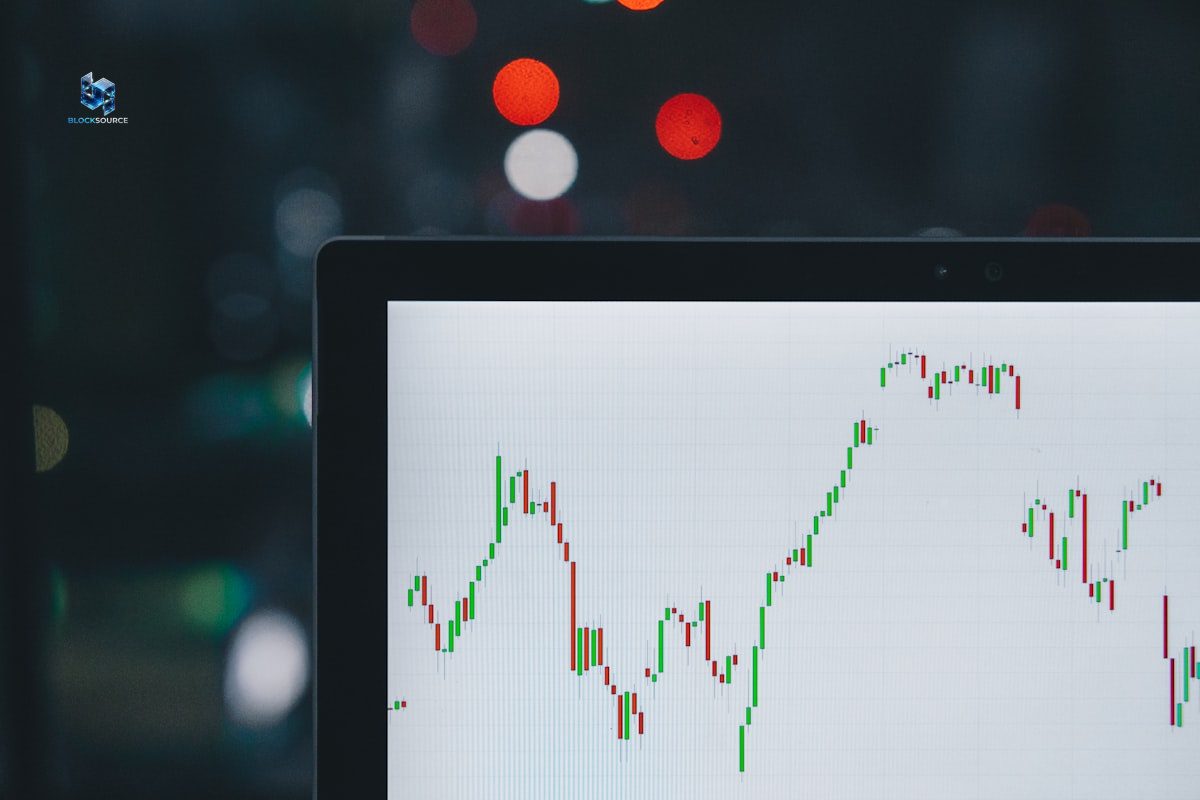
Crude oil surged past $100 per barrel following reports of a blockade in the Strait of Hormuz, triggering a broader market risk-off sentiment that has stalled cryptocurrency price momentum. The geopolitical escalation has pressured Bitcoin and altcoins as traditional commodity shocks reverberate through digital asset markets, while institutional traders reassess exposure to volatile risk assets.
Crude oil futures have breached the $100 per barrel threshold amid escalating tensions surrounding the Strait of Hormuz, one of the world's most critical maritime chokepoints for global energy supplies. The blockade threat has sent traditional commodities markets into a state of heightened volatility, and that turbulence has quickly cascaded into cryptocurrency markets, where digital asset valuations have stalled and investor sentiment has deteriorated measurably. The correlation between oil price shocks and cryptocurrency market weakness highlights how deeply interconnected digital assets have become with broader macroeconomic and geopolitical dynamics, challenging the longstanding narrative that crypto operates as an isolated asset class insulated from traditional market forces.
The Strait of Hormuz handles approximately one-third of global seaborne oil trade, making it an extraordinarily sensitive chokepoint for international energy markets. When supply concerns emerge from this region, the ripple effects extend across equities, bonds, commodities, and increasingly, cryptocurrency markets. Historically, geopolitical shocks centered on Middle Eastern energy supplies have triggered flight-to-safety dynamics where investors liquidate positions in higher-risk assets such as cryptocurrencies. The current blockade threat represents exactly this type of scenario—a concrete disruption event that forces portfolio rebalancing and reduces appetite for speculative holdings. Previous episodes of Middle East escalation have demonstrated this pattern repeatedly, with each flare-up in tensions producing measurable downward pressure on digital asset prices even as traditional oil and gold positions attract fresh capital.
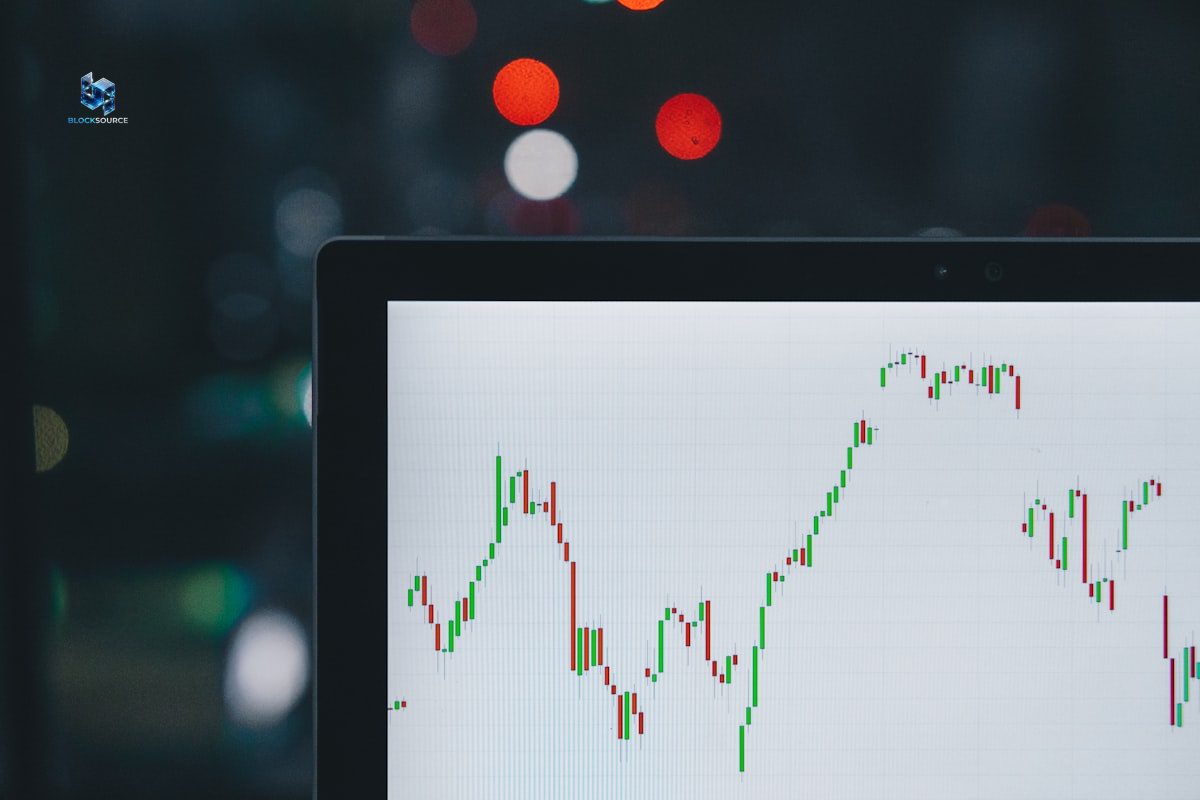
Cryptocurrency market participants are experiencing tangible headwinds as the oil rally persists. Bitcoin and Ethereum have entered consolidation patterns, with trading volumes declining as uncertainty dominates market sentiment. Analysts suggest that the bifurcation between traditional commodity strength and cryptocurrency weakness reflects fundamental differences in how these asset classes respond to inflationary shocks. While geopolitical oil shocks reignite inflation hedging demand, spurring new generation of commodity-backed stablecoins, the immediate market reaction prioritizes risk reduction over alternative hedge accumulation. Investors facing energy-driven inflation concerns are initially rotating toward traditional safe havens and inflation-protected securities rather than embracing cryptocurrency alternatives that carry their own volatility profile.
Market Implications
Market participants and institutional traders are evaluating how extended oil price elevation might influence central bank policy trajectories and inflation expectations. If crude sustains above $100, the implications for monetary policy normalization shift materially, potentially delaying rate cuts that crypto markets have been pricing in. One significant development is that banking restrictions on commodity traders drive migration to cryptocurrency stablecoins amid Middle East tensions, suggesting that some sophisticated participants are using digital asset infrastructure to maintain commodity exposure while navigating traditional banking constraints. This creates a bifurcated market where retail investors flee crypto amid geopolitical uncertainty while professional traders leverage blockchain-based settlement systems to execute sophisticated hedging strategies.
The broader implications of sustained oil price elevation merit consideration within the context of cryptocurrency's evolving role in portfolios. Digital assets have increasingly marketed themselves as inflation hedges and alternative store-of-value instruments, yet their actual performance during genuine inflation shocks—triggered by genuine supply disruptions rather than monetary expansion—reveals vulnerabilities in these narratives. When real inflationary pressures emerge from concrete supply constraints, cryptocurrency markets experience selling pressure alongside other speculative assets. This suggests that crypto's inflation-hedging properties may be theoretical rather than empirical, at least during the acute phases of supply-driven price shocks. The current episode provides valuable real-world data about how cryptocurrencies behave when genuinely inflationary conditions materialize.
What to Watch
Looking forward, investors should monitor several critical developments that could either stabilize or further destabilize cryptocurrency markets. Resolution of the Strait of Hormuz blockade threat would likely trigger a relief rally across risk assets. Conversely, any escalation or physical disruption of shipping through the strait would deepen the current risk-off sentiment and potentially accelerate cryptocurrency liquidations. Additionally, market participants should watch for inflation print data in coming weeks, as elevated energy costs will filter through to headline inflation figures and could reshape expectations around monetary policy duration. The interplay between geopolitical risk, inflation data, and central bank communication will determine whether cryptocurrencies resume their earlier momentum or face additional headwinds in the near term.
Key Takeaways
- Oil prices have surged above $100 per barrel on Strait of Hormuz blockade concerns, triggering broader risk-off sentiment that has stalled cryptocurrency market momentum and reduced investor appetite for speculative assets.
- The correlation between traditional commodity shocks and cryptocurrency weakness demonstrates that digital assets are increasingly integrated with macroeconomic and geopolitical dynamics rather than operating as truly insulated alternative assets.
- Sophisticated traders are leveraging blockchain-based settlement infrastructure and stablecoins to execute commodity trades while navigating banking restrictions, creating a divergence between institutional and retail cryptocurrency market behavior during periods of geopolitical stress.