

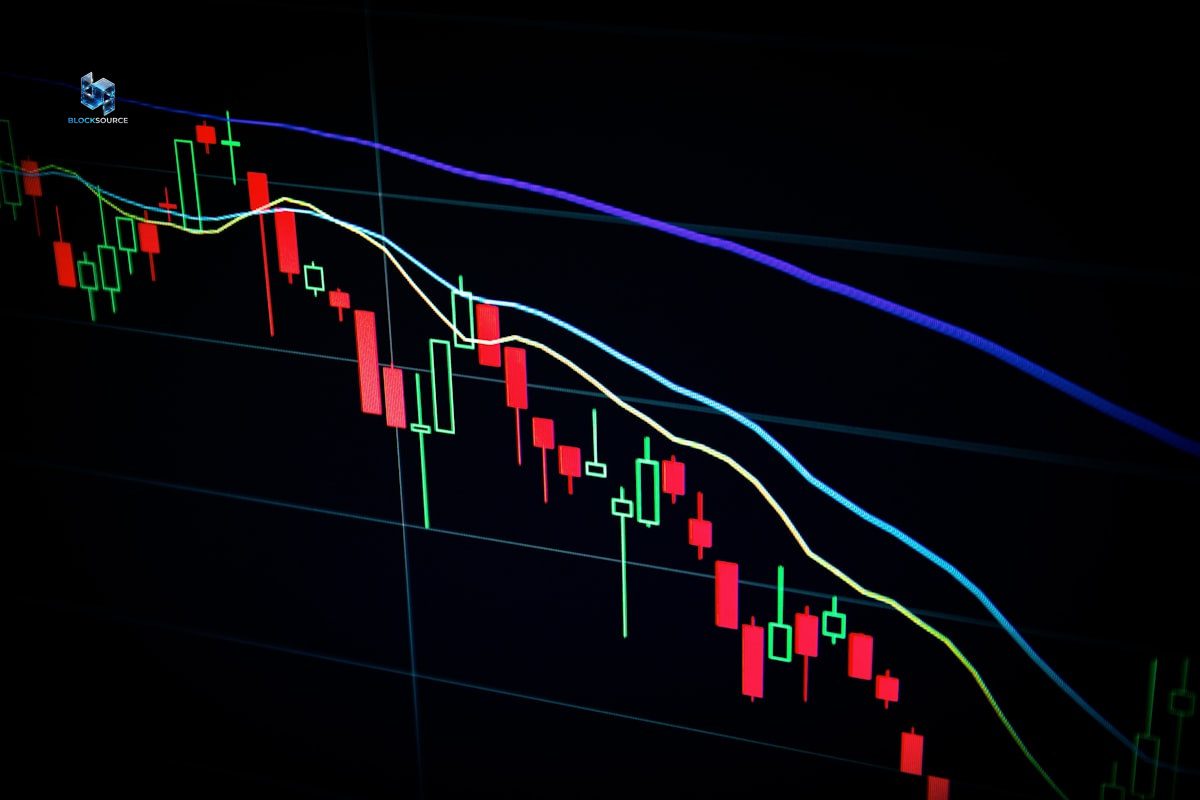
Cryptocurrency markets delivered mixed results throughout the first quarter of 2026, with Bitcoin and major digital assets experiencing significant price swings driven by geopolitical developments, institutional capital flows, and evolving regulatory frameworks. Performance metrics reveal both opportunities and challenges for financial advisors tasked with incorporating crypto exposure into diversified client portfolios, as traditional correlation patterns continue to shift in response to macroeconomic headwinds and diplomatic uncertainty.
The first quarter of 2026 presented cryptocurrency market participants with a complex landscape of competing narratives, as digital asset valuations responded to an unpredictable mix of geopolitical developments, regulatory announcements, and institutional adoption milestones. Bitcoin, the market's bellwether asset, experienced considerable volatility during the quarter, oscillating between resistance and support levels while responding to broader risk-asset sentiment. The cryptocurrency market's Q1 performance underscores a critical reality for wealth advisors: digital assets have increasingly become sensitive to macroeconomic factors and geopolitical events that historically exercised minimal influence on traditional equity and fixed-income markets.
The trajectory of cryptocurrency valuations throughout the quarter reflected a fundamental shift in how institutional investors and sophisticated market participants approach digital asset allocation. When diplomatic tensions escalated during early April, cryptocurrency markets experienced sharp declines, with major digital assets contracting significantly in value. Conversely, when geopolitical de-escalation emerged, risk assets surged across the spectrum. This sensitivity to geopolitical developments demonstrates that cryptocurrencies no longer operate in isolation from traditional macro considerations. Geopolitical de-escalation ignited a crypto rally as diplomatic agreements reshaping risk asset markets, with Bitcoin surging through critical price levels that technical analysts had been monitoring closely.
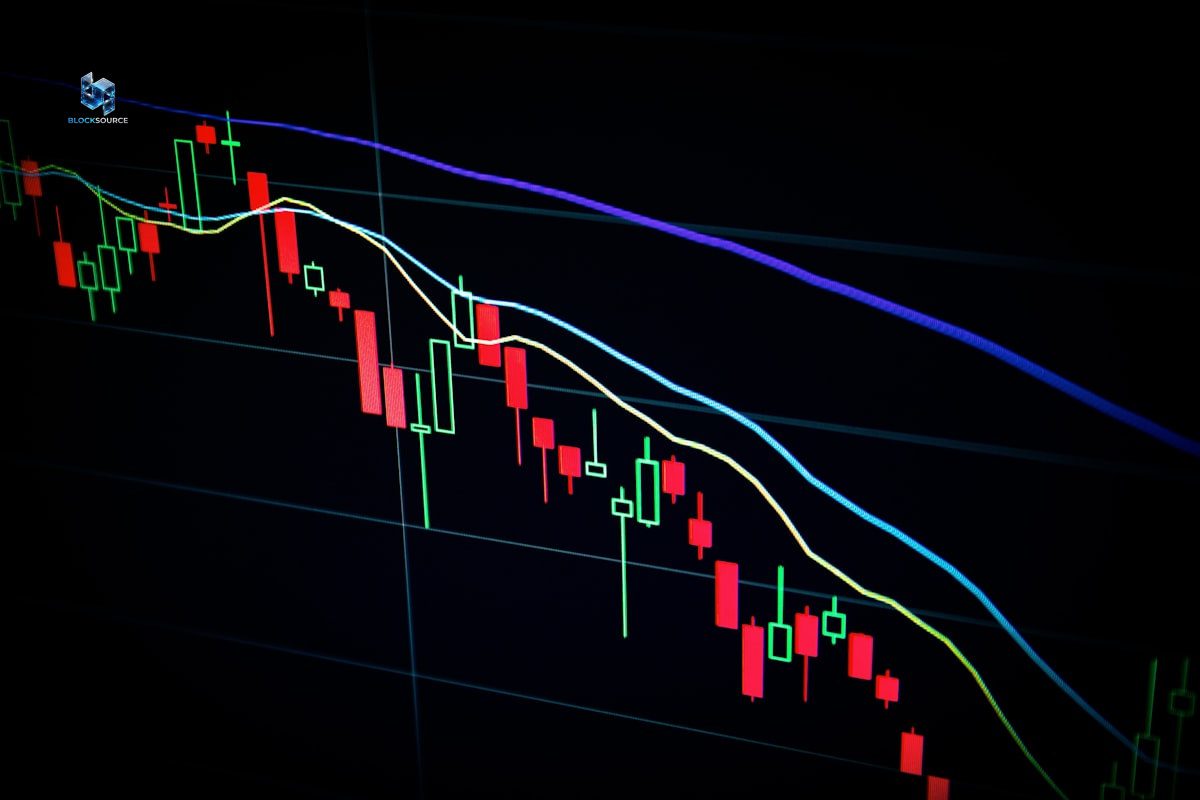
From a performance standpoint, Q1 results present a nuanced picture for portfolio managers evaluating cryptocurrency's role within diversified investment strategies. While some digital assets demonstrated resilience during risk-off periods, the broader market exhibited characteristics typical of speculative asset classes during uncertain macroeconomic environments. Bitcoin faced critical technical junctures as market consensus fractured over directional outlook, creating divergent perspectives among technical analysts regarding the sustainability of various price rallies. Institutional adoption continued advancing, though at a measured pace, as traditional finance entities maintained cautious approaches to cryptocurrency exposure despite the launch of new investment vehicles designed to facilitate professional participation.
Market Implications
Industry analysts emphasize that Q1's volatility patterns should inform advisor perspectives on cryptocurrency's role within client portfolios. According to market observers, the quarter illustrated both cryptocurrency's capacity to function as an alternative asset class and its continued susceptibility to sentiment shifts and external shocks. The emergence of new regulatory frameworks, particularly in jurisdictions like South Korea implementing comprehensive digital asset safeguards, suggests that institutional participation may accelerate as compliance infrastructure matures. South Korea advanced comprehensive crypto legislation with bank-equivalent safeguards for stablecoin issuers, signaling regulatory efforts to establish legitimacy within traditional financial structures. This regulatory evolution addresses a persistent concern among institutional advisors: the absence of clear regulatory frameworks that would enable confidence in allocating significant client capital to digital assets.
The broader implications of Q1's performance extend beyond price movements to encompass fundamental questions about cryptocurrency's role within modern portfolio construction. As digital assets continue demonstrating correlation patterns with broader risk markets, traditional assumptions about diversification benefits warrant re-examination. Advisors managing sophisticated client portfolios must grapple with the reality that cryptocurrencies may function as risk-on assets rather than diversifiers during periods of pronounced market stress. Simultaneously, continued institutional adoption, regulatory progress, and technological improvements suggest that digital assets warrant consideration within forward-looking portfolio frameworks, though with appropriate risk management protocols and position sizing discipline.
What to Watch
Looking ahead, advisors should monitor several critical developments shaping cryptocurrency's investment thesis throughout the remainder of 2026. Regulatory announcements from major jurisdictions, institutional adoption trends, and macroeconomic policy decisions will likely continue driving cryptocurrency valuations. Additionally, technical market structure developments—including the stability of established price levels and patterns of institutional capital deployment—will provide signals regarding whether Q1's volatility represents a sustainable characteristic or merely a cyclical phenomenon. Client conversations regarding cryptocurrency allocation should emphasize the asset class's evolving maturity, acknowledging both legitimate long-term potential and the continued presence of risks inherent to markets still experiencing price discovery processes.
Key Takeaways
- Q1 2026 cryptocurrency performance demonstrated increased sensitivity to macroeconomic factors and geopolitical developments, suggesting digital assets have transitioned from isolated speculative instruments toward correlated risk assets within broader portfolio contexts.
- Institutional adoption continues advancing through regulatory frameworks and structured investment vehicles, though participation remains measured as traditional finance entities balance opportunities against lingering infrastructure and compliance uncertainties.
- Financial advisors evaluating cryptocurrency exposure should acknowledge both the asset class's maturation indicators and its continued volatility characteristics, implementing disciplined position sizing and risk management protocols appropriate to client circumstances and return objectives.