

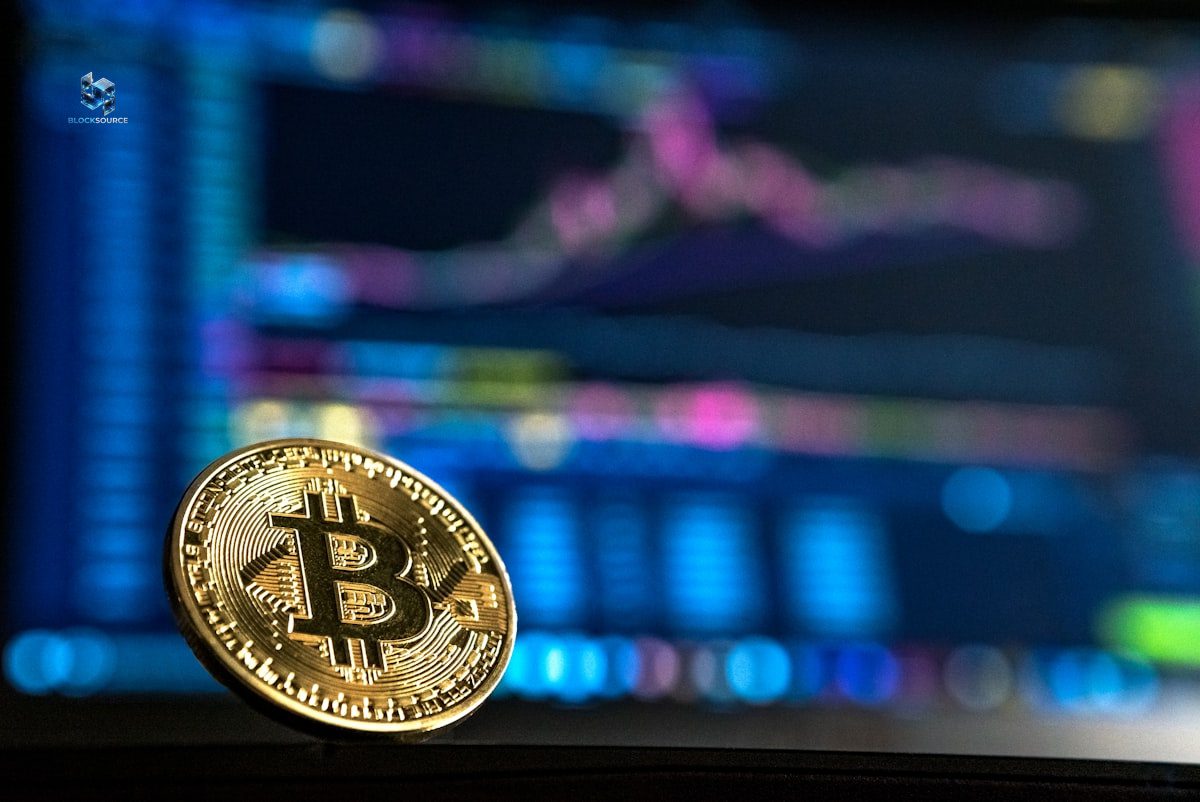
Bitcoin has climbed past the $72,000 threshold following announcements of a two-week ceasefire between the United States and Iran, with U.S. stock futures surging in tandem. The geopolitical development has triggered a broad-based recovery across risk assets, signaling renewed investor appetite for higher-yielding alternative investments. The breakthrough represents a significant technical achievement for Bitcoin, which continues to demonstrate resilience amid macroeconomic uncertainty.
Bitcoin penetrated the $72,000 level on Wednesday, capitalizing on optimistic market sentiment sparked by diplomatic announcements of a temporary ceasefire framework between Washington and Tehran. The agreement, which establishes a two-week window for intensive negotiations, has substantially reduced immediate geopolitical risk premiums that have weighed on global equities and cryptocurrency markets for weeks. Concurrent with Bitcoin's ascent, U.S. stock index futures posted notable gains, reflecting institutional appetite for risk-on positioning across multiple asset classes. The coordinated rally underscores the degree to which macroeconomic and geopolitical factors continue to drive cryptocurrency valuations, particularly as Bitcoin remains correlated with broader equity market sentiment during periods of heightened systemic uncertainty.
The path to this level has been characterized by considerable volatility over the preceding weeks. As detailed in previous analysis examining Bitcoin's divergence from tech stocks amid geopolitical tensions, the cryptocurrency has simultaneously demonstrated capacity to decouple from traditional equity correlations during specific stress episodes. The current rally, however, appears less driven by independent Bitcoin dynamics and more reflective of a broad risk-asset recovery benefiting from reduced geopolitical tail risks. This distinction matters for investors assessing whether current price appreciation reflects fundamental demand shifts or merely cyclical recovery from oversold conditions.
For market participants, the implications extend beyond simple price appreciation. The surge reflects renewed confidence that geopolitical risks will subside sufficiently to permit risk capital reallocation toward higher-yielding opportunities. Bitcoin, despite its volatility, continues to function as a perceived hedge against certain macroeconomic outcomes, particularly in scenarios involving currency debasement or fiscal dysfunction. Institutional investors and sophisticated traders monitoring technical resistance levels have noted that the $72,000 threshold represents meaningful progress toward previously established target levels. However, analysts caution that premature geopolitical euphoria could evaporate rapidly if negotiations falter, potentially reversing recent gains just as swiftly as they accumulated.
Market Implications
Industry observers suggest this rally demonstrates the persistent market structure favoring risk assets during periods of reduced geopolitical tension. According to market participants, the current environment reflects an important inflection point wherein risk-off positioning becomes increasingly difficult to justify. The cryptocurrency sector specifically benefits from this dynamic, as reduced systemic uncertainty typically encourages allocators to redeploy capital toward speculative and high-growth assets. Additionally, technical analysis suggesting potential bottom formation after Bitcoin's breach of $70,000 has encouraged technical traders to establish or expand long positions, providing additional support for the current uptrend.
The broader implications warrant careful consideration for long-term cryptocurrency investors. While short-term price movements reflect sentiment oscillations tied to geopolitical events, the fundamental question regarding Bitcoin's role in diversified portfolios remains unsettled. The cryptocurrency's capacity to appreciate during risk-on environments, when traditional equities also perform well, somewhat undermines its theoretical function as a portfolio diversifier. However, the resilience demonstrated during sustained geopolitical stress periods suggests Bitcoin may occupy a valuable niche for investors seeking to hedge specific macroeconomic or political risk scenarios. As regulatory frameworks continue developing—including initiatives like SEC Chair Atkins' forthcoming cryptocurrency fundraising regulations—institutional adoption may further normalize Bitcoin's role within conventional investment allocations.
What to Watch
Looking forward, investors should monitor several critical variables determining whether current momentum persists. The success or failure of U.S.-Iran negotiations during the ceasefire window will likely prove determinative for near-term sentiment trajectories. Additionally, Federal Reserve communications regarding monetary policy remain consequential, as interest rate expectations substantially influence both equity and cryptocurrency valuations. Technical levels above $72,000 warrant attention, as breaches of psychological thresholds like $75,000 could accelerate momentum through additional retail and algorithmic buying. Conversely, deterioration in diplomatic progress or hawkish central bank signals could rapidly reverse recent gains. Market participants should also monitor correlation dynamics between Bitcoin and traditional equities, as decoupling patterns may signal shifting investor attitudes toward cryptocurrency's independent value proposition versus its role as a correlated risk asset.
Key Takeaways
- Bitcoin has surpassed the $72,000 mark following a two-week U.S.-Iran ceasefire announcement, demonstrating the cryptocurrency's sensitivity to geopolitical risk dynamics and broader risk-asset sentiment.
- The concurrent rally in U.S. stock index futures suggests institutional capital is rotating toward risk-on positioning, benefiting speculative and alternative assets including Bitcoin alongside traditional equities.
- Investors should remain vigilant regarding the sustainability of diplomatic progress and Federal Reserve monetary policy communications, as either deterioration could swiftly reverse recent cryptocurrency gains.