

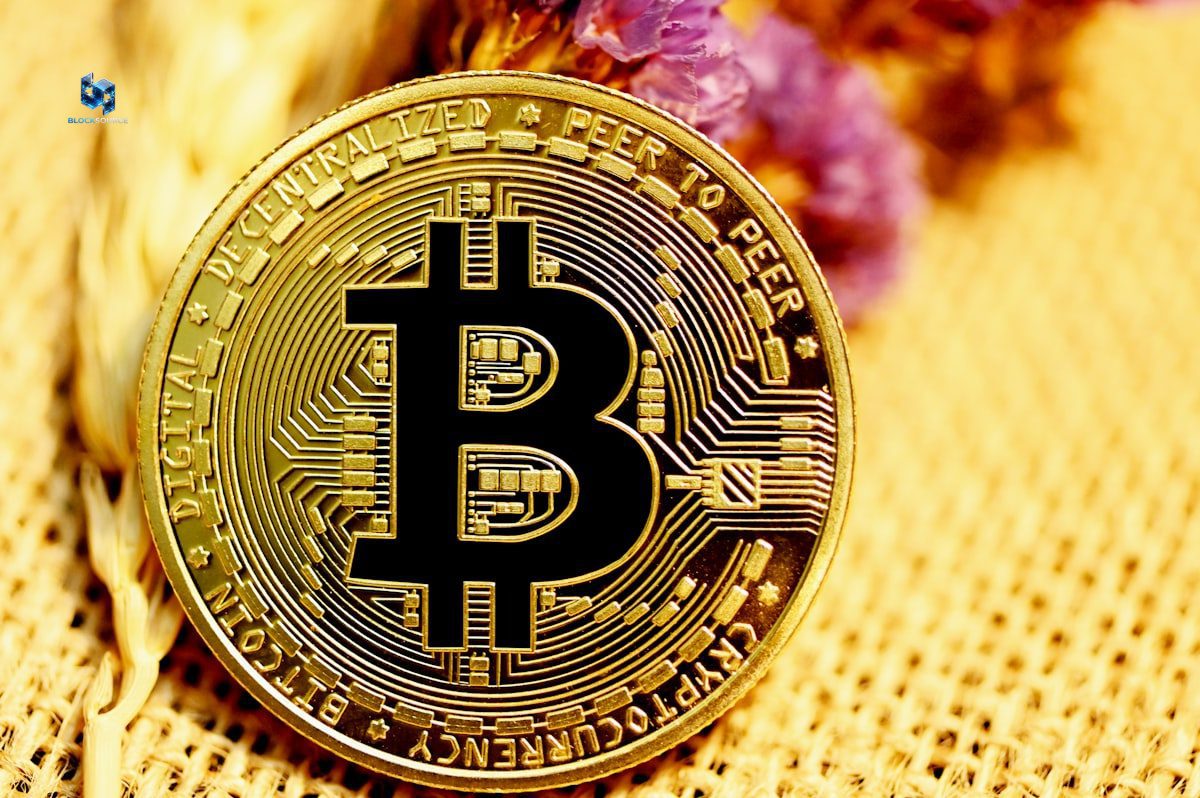
Bitcoin and Ethereum have retreated from their weekly highs, creating a market rotation that has catalyzed meaningful gains across the broader altcoin ecosystem. The pullback in dominant cryptocurrencies is redirecting capital toward smaller-cap digital assets, suggesting traders are redeploying reserves into alternative investment opportunities as market dynamics shift.
The cryptocurrency market is experiencing a notable rebalancing this week as Bitcoin and Ethereum, the two largest digital assets by market capitalization, have stepped back from their recent weekly peaks. This retreat from dominance has triggered a pronounced rally across the altcoin sector, with investors rotating capital away from the market's traditional bellwethers toward emerging tokens and projects that have previously underperformed during periods of large-cap concentration. The shift reflects a cyclical pattern observed repeatedly throughout cryptocurrency's market history, wherein periods of consolidation at the top create opportunities for alternative assets to attract speculative and institutional capital alike.
To understand the current altcoin momentum, it is essential to recognize the broader context of recent market movements. Bitcoin's recent trajectory has been shaped by macroeconomic considerations and technical resistance levels, with previous analysis suggesting Bitcoin could target $85,000 as technical and macroeconomic signals align for potential upside. However, the inability to sustain momentum at these elevated levels has created the conditions for profit-taking among larger holders. Similarly, Ethereum has faced headwinds as traders reassess the relative value proposition of layer-two scaling solutions and competing smart contract platforms. This consolidation phase, while potentially frustrating for those holding dominant cryptocurrencies, has historically proven beneficial for market health and breadth, as it prevents excessive concentration of wealth and trading activity within just two assets.
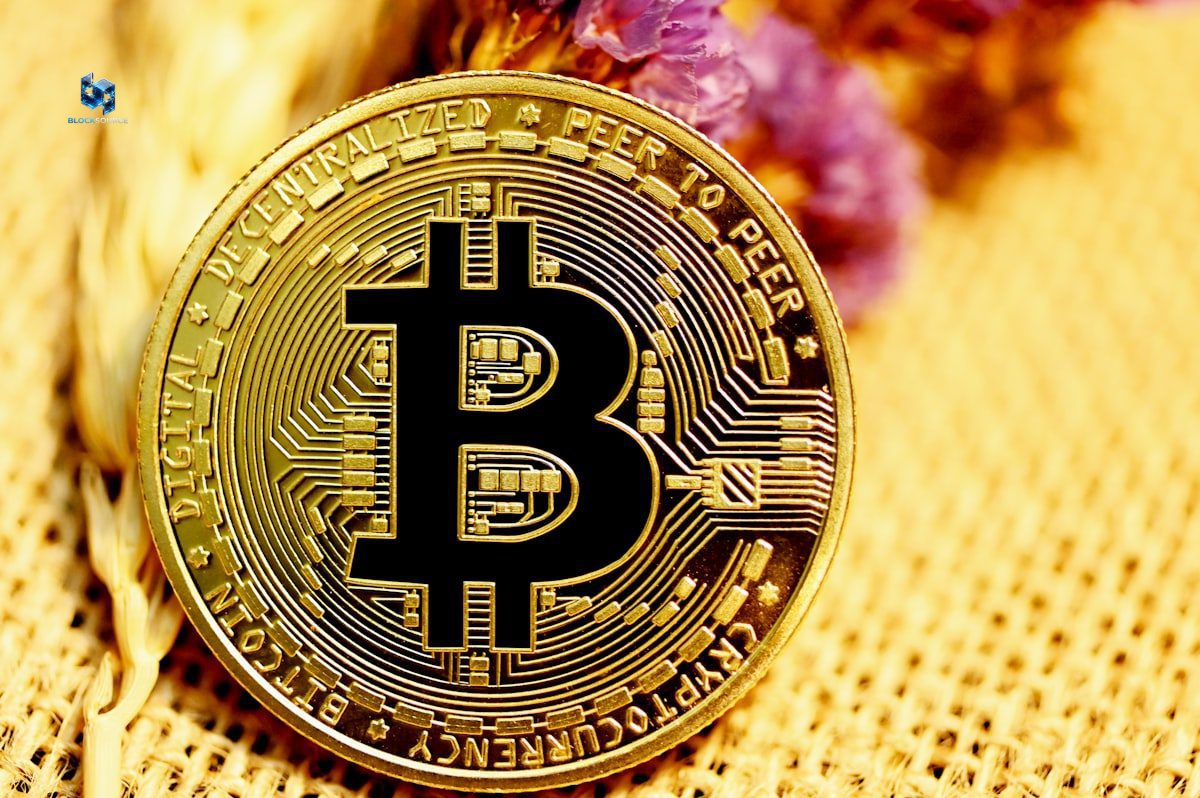
The practical implications of this market rotation are immediately apparent across trading volumes and price action data. Altcoins spanning multiple categories—from privacy-focused tokens to decentralized finance protocols to emerging layer-one blockchains—have posted double-digit weekly gains as capital flows redirect from Bitcoin and Ethereum into these alternative vehicles. Investors and traders seeking higher volatility and percentage-based returns have increasingly deployed capital into lower-market-cap assets, which can experience more pronounced price movements than the comparatively stable (by cryptocurrency standards) dominant cryptocurrencies. The shift also reflects growing confidence in the fundamental viability of non-Bitcoin projects, as regulatory frameworks have matured and institutional infrastructure has expanded across the broader ecosystem.
Market Implications
Market analysts and cryptocurrency strategists have varying interpretations of this rotational pattern. Some analysts view the altcoin rally as a healthy sign of market maturation, suggesting that as Bitcoin and Ethereum establish themselves as established asset classes, alternative cryptocurrencies can develop independent value propositions and use cases. Others caution that elevated altcoin valuations may represent speculative excess that could prove vulnerable during future market corrections. The divergence in perspectives reflects the ongoing debate within cryptocurrency markets regarding asset valuation methodologies and the appropriate risk-reward calculus for tokens with smaller market capitalizations and less extensive track records of institutional adoption. Institutional developments, including institutional custody expansions in emerging markets, may ultimately support sustained altcoin valuations if such developments broaden the investor base beyond retail traders.
The longer-term implications of this market dynamic suggest that cryptocurrency markets may be entering a phase characterized by greater diversification and specialization. Rather than viewing the ecosystem as primarily composed of Bitcoin with Ethereum as a distant second, market participants appear increasingly willing to evaluate alternative projects on their individual merits and technical capabilities. This shift could ultimately strengthen the overall cryptocurrency ecosystem by incentivizing development teams to deliver substantive improvements rather than relying on general bull market sentiment to drive valuations. However, the sustainability of altcoin gains will depend significantly on whether these projects can demonstrate genuine technological progress and meaningful adoption metrics beyond speculative trading activity.
What to Watch
Going forward, market observers should monitor several critical variables that could influence the trajectory of both dominant cryptocurrencies and alternative assets. The ability of Bitcoin and Ethereum to reestablish upward momentum will likely determine whether the current altcoin rally represents a durable rotation or a temporary diversion of capital. Additionally, regulatory developments and clarifications regarding cryptocurrency regulatory frameworks could significantly impact relative valuations across the market. Investors should maintain disciplined risk management practices while evaluating altcoin opportunities, recognizing that the higher volatility characterizing smaller-cap assets carries proportionally greater downside risk alongside potential upside rewards.
Key Takeaways
- Bitcoin and Ethereum's retreat from weekly highs has catalyzed capital rotation into the broader altcoin ecosystem, with alternative assets posting double-digit weekly gains as traders seek higher-volatility investment opportunities.
- The market rotation reflects healthy ecosystem diversification and suggests growing confidence in non-dominant cryptocurrencies as standalone assets, though elevated altcoin valuations warrant careful risk assessment given their greater volatility profile.
- Sustained altcoin performance will depend on whether dominant cryptocurrencies can reestablish upward momentum and whether individual projects can demonstrate genuine technological progress and meaningful adoption metrics beyond speculative trading activity.