

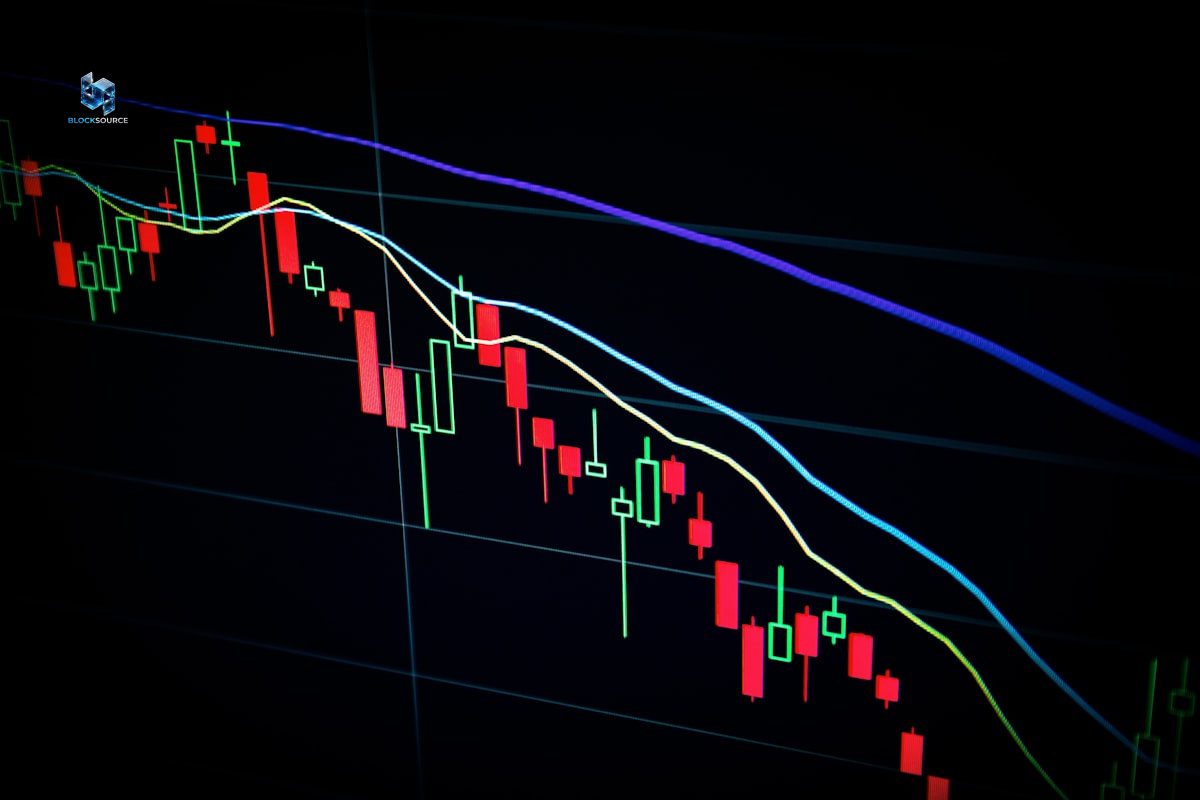
Aave, the largest decentralized lending protocol by total value locked, experienced a devastating 22.9% price decline over the weekend, marking one of the most significant single-asset declines within the CoinDesk 20 index. The sharp selloff reflects broader turmoil engulfing the decentralized finance sector following recent security incidents and mounting investor concerns about protocol vulnerabilities. Market analysts attribute the decline to a combination of sector-wide confidence erosion and specific headwinds facing the lending protocol itself.
Aave's price collapsed by 22.9% over the weekend in a dramatic move that encapsulates the broader crisis currently gripping decentralized finance platforms. The governance token, which serves as the backbone of Aave's decentralized decision-making framework, suffered one of its steepest weekend declines in recent trading history, reflecting investor panic and a significant deterioration in market sentiment across the lending sector. Trading data indicates the decline accelerated Friday evening and continued through Monday morning, with institutional and retail investors alike liquidating positions amid heightened concerns about protocol security and systemic DeFi risks.
The timing of Aave's collapse appears directly correlated with the mounting security concerns plaguing the broader DeFi ecosystem. Recent reporting indicated that Aave faces potential exposure exceeding $230 million following the Kelp DAO bridge security failure, an incident that exposed critical vulnerabilities in how liquid staking derivatives interact with cross-chain protocols. This specific threat, combined with evidence that a single $292 million exploit triggered a $13 billion sector-wide withdrawal, has fundamentally shaken investor confidence in lending protocols and their ability to manage counterparty risks.
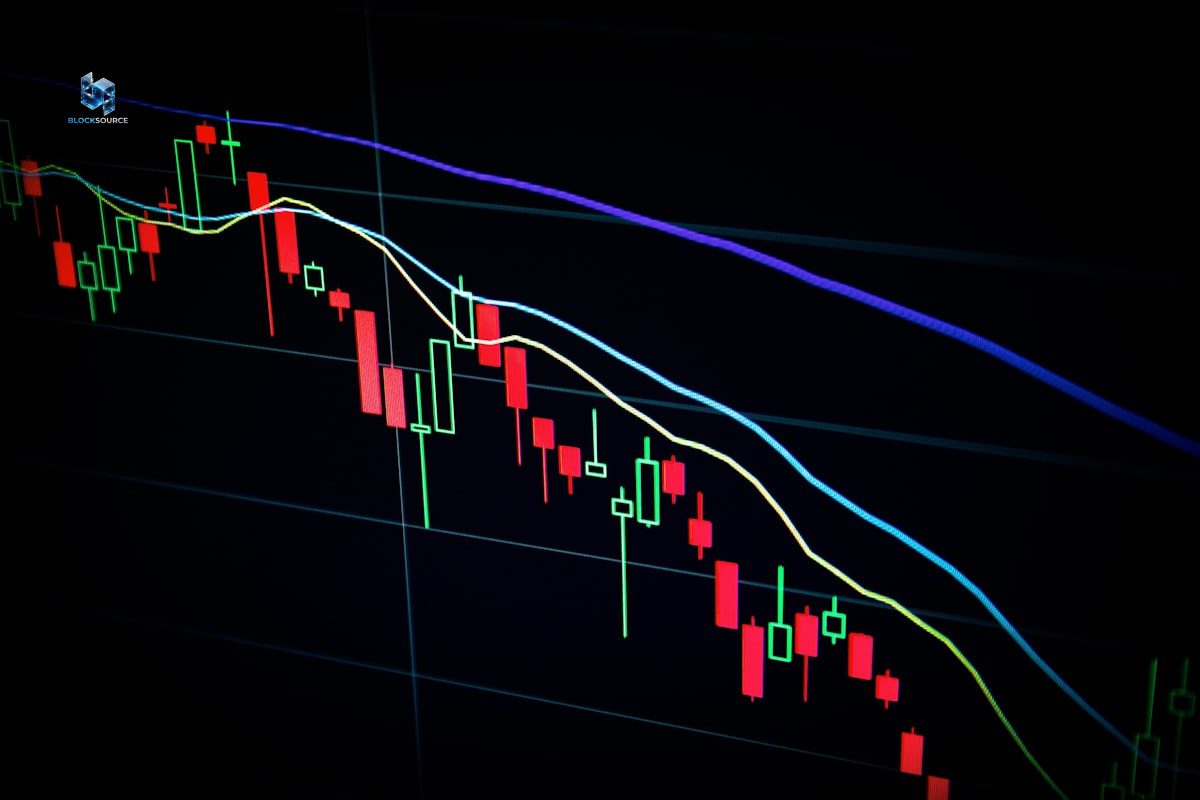
The market implications of Aave's sharp decline extend well beyond the individual asset, suggesting broader portfolio reallocation among institutional investors who utilize the CoinDesk 20 index as a benchmark. The 22.9% decline represents a significant repricing of perceived risk within the sector, particularly for protocols operating in the lending space where collateral quality and smart contract security remain paramount concerns. Trading volumes spiked considerably during the weekend selloff, indicating this was not a liquidity-driven move but rather a deliberate flight to safety by market participants seeking to reduce exposure to assets perceived as carrying heightened counterparty risk.
Market Implications
Industry analysts and risk assessment specialists suggest the decline reflects rational market repricing in response to demonstrated vulnerabilities within DeFi's infrastructure. According to several trading desks and research teams monitoring the sector, the weekend decline may represent only the initial capitulation phase, with further downside potential if broader market conditions continue deteriorating. Notably, geopolitical tensions and escalating conflict risks have simultaneously triggered broader cryptocurrency selloffs, creating a perfect storm of negative catalysts that have disproportionately impacted risk assets like governance tokens.
The broader implications of Aave's price action signal a critical period of reckoning for the DeFi sector regarding security, governance structures, and investor protection mechanisms. The convergence of security incidents, regulatory uncertainty, and macroeconomic headwinds appears to be accelerating a repricing of DeFi assets that many analysts believe had become detached from fundamental risk assessments. Going forward, investors should carefully monitor whether Aave and similar protocols can successfully implement enhanced security measures and restore confidence among institutional capital providers who have historically underwritten yield-seeking activity in lending protocols.
What to Watch
Traders and investors should watch for several key developments in the coming days and weeks. First, observe whether Aave's price finds support around technical levels that might indicate capitulation versus continued selling pressure. Second, track whether the protocol team implements additional security measures or governance decisions to address the $230 million exposure outlined in recent reports. Finally, monitor whether broader market conditions, including geopolitical developments and macro financial trends, stabilize to provide relief for depressed asset values. The weekend's 22.9% decline may ultimately be viewed as either a capitulation event marking the beginning of recovery or merely the initial phase of a more severe correction within the DeFi sector.
Key Takeaways
- Aave experienced a 22.9% price plunge over the weekend, marking one of the steepest declines for the governance token in recent trading history and reflecting deeper concerns about DeFi sector security and protocol vulnerabilities.
- The sharp selloff correlates directly with mounting security incidents affecting the broader decentralized finance ecosystem, particularly the Kelp DAO bridge failure that exposed Aave to potential $230 million in losses and triggered sector-wide capital flight.
- Market conditions appear to be repricing DeFi assets based on newly understood counterparty risks and smart contract vulnerabilities, suggesting further volatility may persist until investors develop greater confidence in protocol security measures and governance responses.