

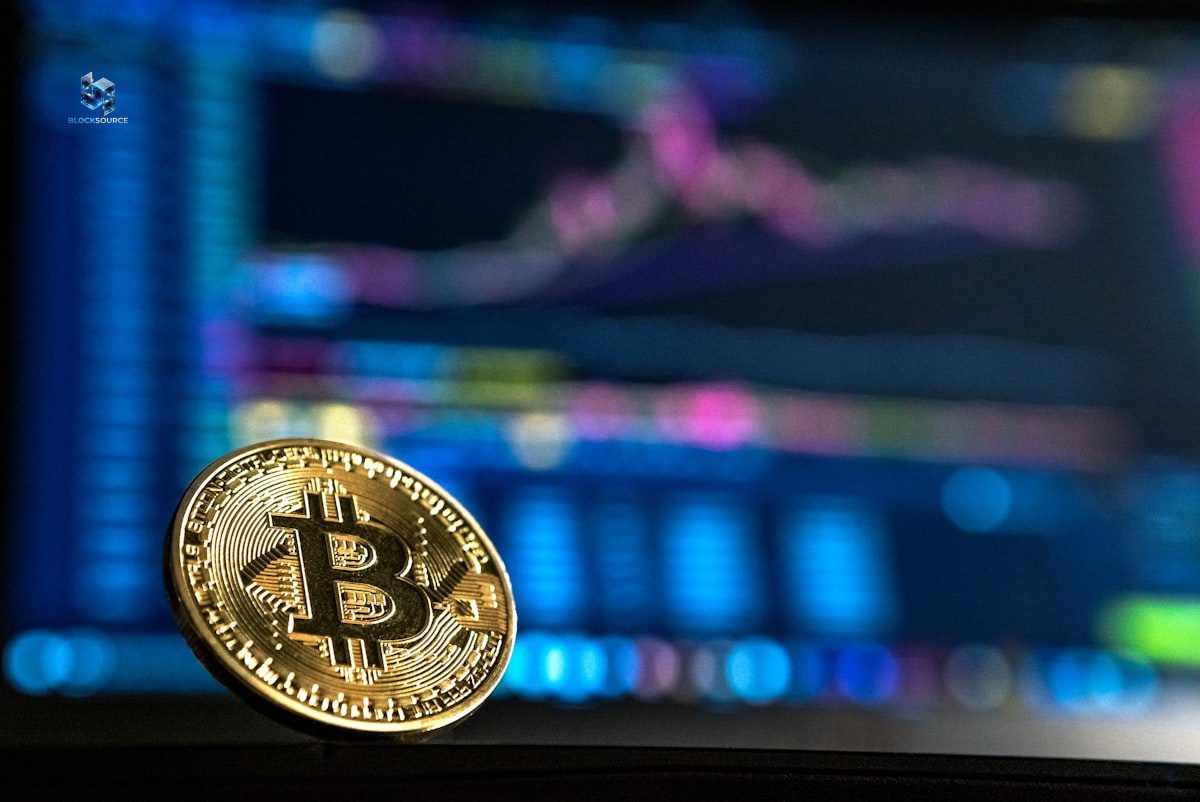
Bitcoin declined toward the $75,000 level following testimony from Federal Reserve Vice Chair Kevin Warsh, who indicated the central bank faces no immediate pressure to cut interest rates, while concurrent stalling in U.S.-Iran diplomatic negotiations triggered broader market uncertainty. The pullback reflects renewed sensitivity to macroeconomic headwinds and geopolitical risk factors that continue to constrain cryptocurrency valuations despite institutional accumulation efforts.
Bitcoin's recent slide toward the psychologically significant $75,000 threshold underscores the cryptocurrency market's persistent vulnerability to macroeconomic signals and geopolitical developments. On April 21, 2026, the leading digital asset experienced notable downward pressure following testimony by Federal Reserve Vice Chair Kevin Warsh before Congress, in which he emphasized that the central bank operates under no obligation to initiate rate reductions in the near term. Simultaneously, reports emerged indicating that diplomatic efforts to resolve U.S.-Iran tensions had stalled, introducing fresh geopolitical uncertainty that typically dampens investor risk appetite across alternative asset classes. The combined effect of hawkish monetary policy messaging and escalating international tensions created a challenging environment for Bitcoin, which had previously demonstrated resilience in the $75,000 to $77,000 range throughout April.
The broader context for this market movement reflects the complex interplay between monetary policy expectations and geopolitical considerations that increasingly shape cryptocurrency trading dynamics. Following months of speculation regarding potential Federal Reserve rate cuts, Warsh's testimony represented a significant recalibration of market expectations. His statement that President Trump did not explicitly demand rate reductions contradicted some investor assumptions about policy direction, effectively eliminating a key bullish catalyst that had supported risk assets throughout the first quarter. Simultaneously, the breakdown in U.S.-Iran negotiations, which had shown modest progress earlier in the month, reintroduced safety-seeking behavior that historically benefits traditional haven assets while pressuring emerging asset classes like Bitcoin and other cryptocurrencies.
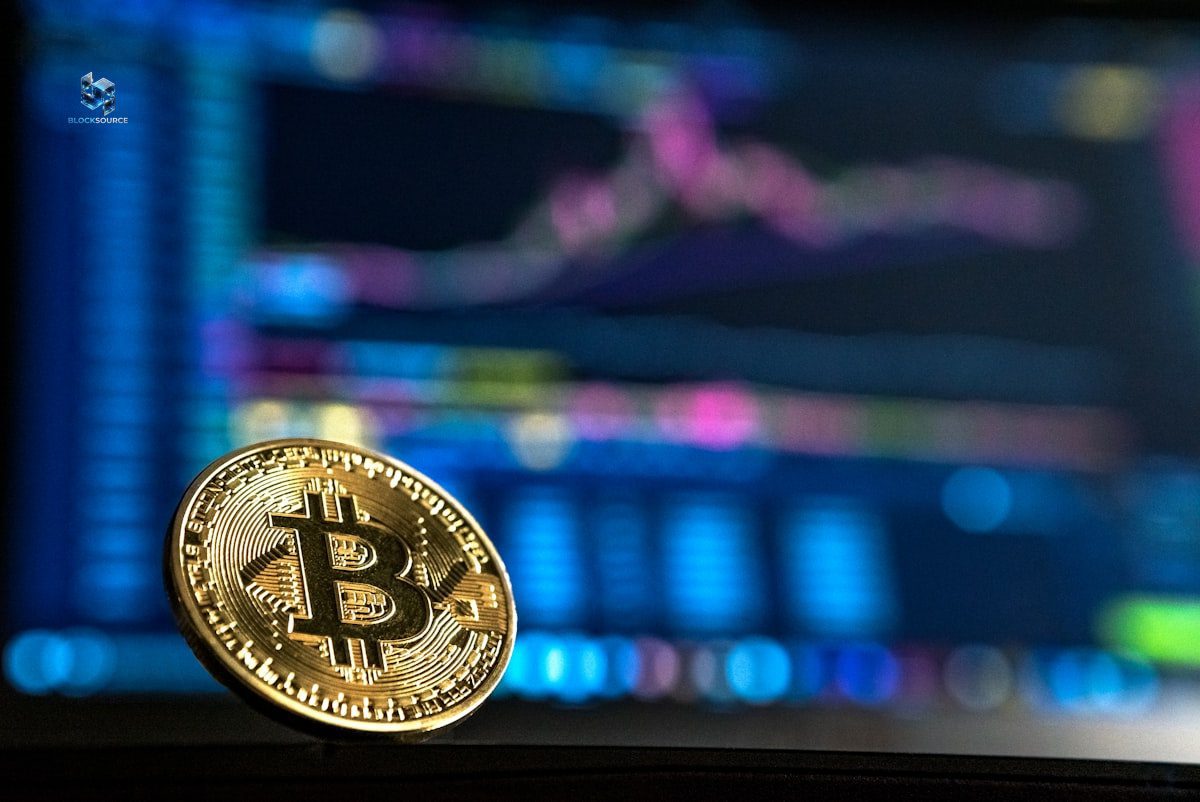
Market participants have responded to these developments with visible caution, as reflected in trading volumes and volatility metrics across major cryptocurrency exchanges. The movement below $75,000 represents more than merely a technical level; it signals a shift in investor positioning from accumulation toward defensive posturing. Notably, Bitcoin's ability to reclaim levels above $75,000 previously demonstrated the asset's sensitivity to geopolitical risk variables, suggesting that resolution of diplomatic tensions could provide renewed upside momentum. However, current price action indicates that positive sentiment has given way to apprehension regarding both monetary conditions and international stability.
Market Implications
Industry analysts suggest that the current pullback, while notable, does not fundamentally alter the longer-term institutional adoption trajectory. Several market observers contend that institutional Bitcoin accumulation has accelerated substantially despite near-term price volatility, with major institutional investors continuing to execute significant purchases during periods of weakness. This divergence between tactical price movements and strategic institutional positioning suggests that the current correction may represent a buying opportunity for longer-term investors rather than a fundamental shift in asset class attractiveness. Market observers emphasize that cryptocurrency valuations remain supported by structural factors including adoption metrics, network expansion, and the asset's role as a portfolio diversifier.
The implications of this market correction extend beyond immediate price movements, touching upon deeper questions regarding the relationship between traditional macroeconomic variables and cryptocurrency valuations. For years, Bitcoin advocates argued that digital assets operated independently from central bank policy; however, recent market behavior demonstrates continued correlation between monetary policy expectations and cryptocurrency performance. The Warsh testimony and Iran negotiations stalemate illustrate how geopolitical tensions and monetary policy remain significant price drivers, even as regulatory clarity efforts continue to reshape the institutional landscape. This reality suggests that cryptocurrency investors must maintain sophisticated understanding of macroeconomic dynamics rather than viewing digital assets as purely alternative investments disconnected from traditional markets.
What to Watch
Looking forward, several critical developments warrant close monitoring. Federal Reserve communications regarding future rate policy, particularly any additional testimony or policy statements, will likely trigger renewed volatility in cryptocurrency markets. Resolution or further deterioration in U.S.-Iran diplomatic efforts represents another substantial variable that could materially impact Bitcoin's trajectory in coming weeks. Additionally, investors should monitor developments in institutional adoption and whether major cryptocurrency holdings continue accumulating during price weakness, as sustained institutional demand could provide a floor beneath further declines. Market participants should also consider that significant Bitcoin options expirations throughout April create substantial price pressure dynamics that may amplify volatility around key technical levels. Ultimately, Bitcoin's path forward depends upon resolution of these macroeconomic and geopolitical uncertainties rather than purely cryptocurrency-specific dynamics.
Key Takeaways
- Federal Reserve Vice Chair Kevin Warsh's testimony indicating no imminent pressure for rate cuts represents a significant recalibration of monetary policy expectations that has dampened investor risk appetite and contributed to Bitcoin's decline toward $75,000.
- Concurrent stalling in U.S.-Iran diplomatic negotiations has introduced renewed geopolitical uncertainty that historically triggers safety-seeking behavior, further pressuring alternative assets despite ongoing institutional accumulation.
- While near-term price volatility has increased, longer-term institutional adoption metrics and substantial buyer positioning during weakness suggest that current market correction may represent a tactical pullback within an established uptrend rather than a fundamental valuation crisis.